|
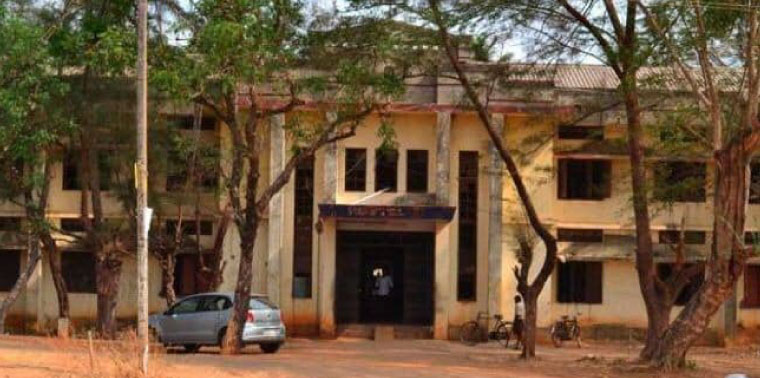
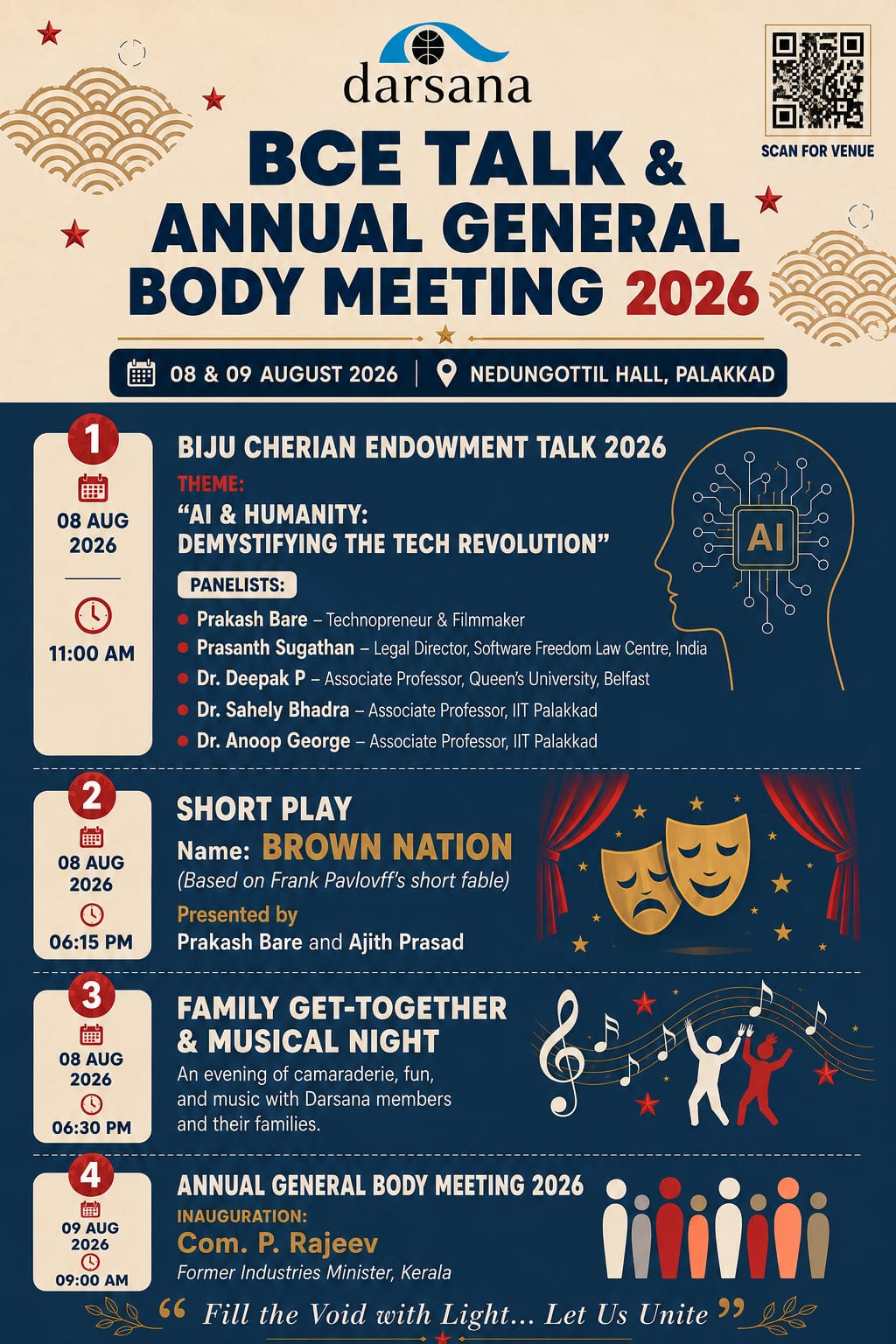
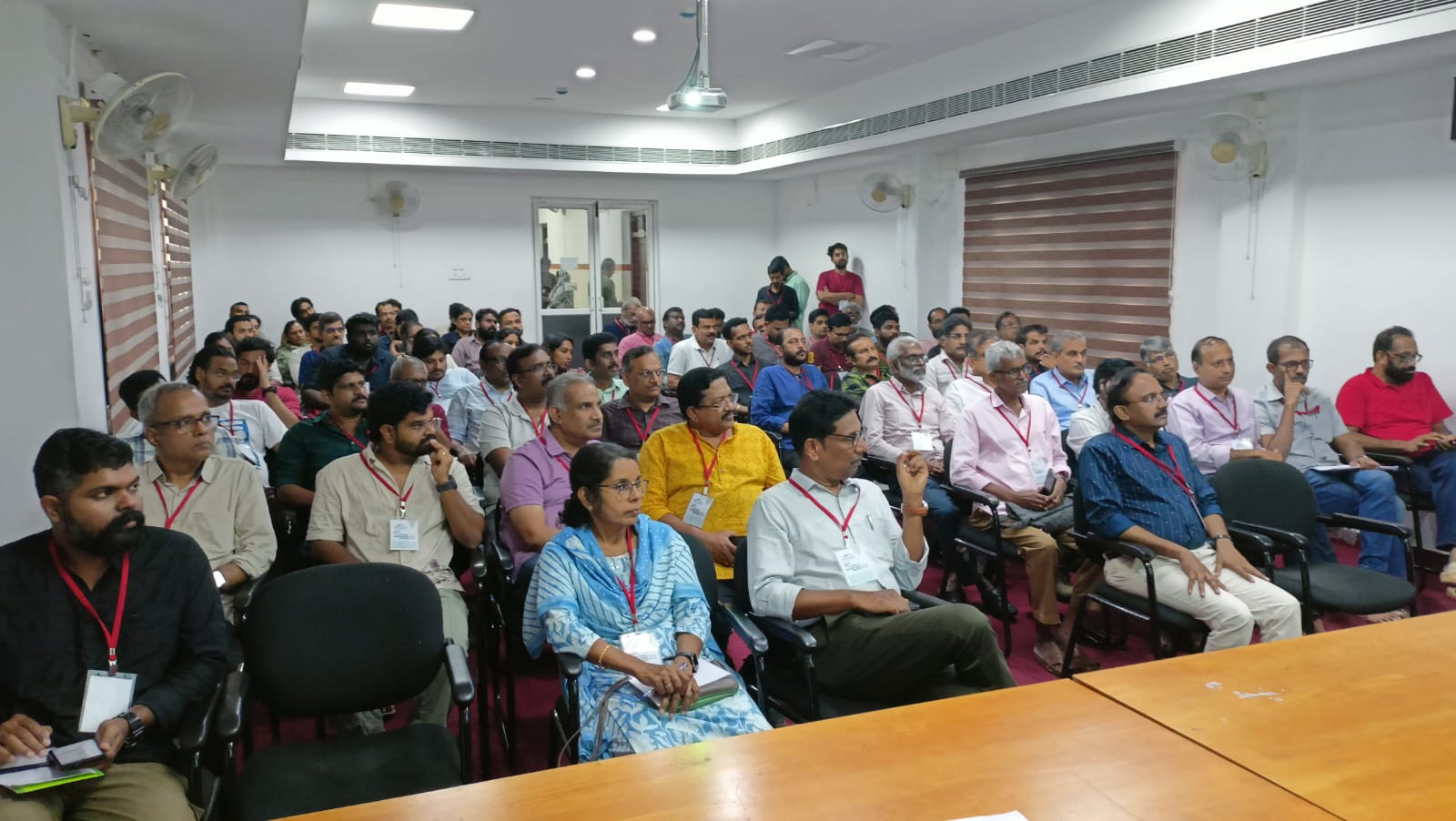
We have already planned to conduct the 3rd Biju Cherian Memorial Talk on the below subject. The event will be held on the 13th of August, 2011 at The MD Ramanathan Memorial Hall (Govt Music College) Palakkad. The synopsis of the proposed seminar is as below.
Programme Theme: LAND, URBANISATION, MOBILITY & DEVELOPMENT.
Programme Summary: Transport and Public mobility has emerged as a vital consideration in the Public Infrastructure Development agenda for Kerala. We now face a major planning challenge of managing the fast-escalating mobility/transport bandwidth demands of a society that is fast changing- Changing with respect to increasing multiplicity of contexts in all social avenues including Education, Occupation, Business, Industry and Living. Kerala's tightly packed demographic diversity offers a unique matrix of complexity in this regard.
The evolution of Roads, Highways, (Mobility channels so to say in general), etc., have historically 'followed' the expansion of Economy in all its multifarious forms. Mobility Infrastructure we have inherited and respire in various walks of life has been more of an off-shoot element of the overall multiplex of Economic factors than being a planned driver element of long-term socio-economic planning. The historic inheritance of such a skewed model, naturally comes with a legacy of deficiencies and imbalances that manifest in almost every major socio-political debate about the future development of the state.
Mobility Infrastructure with maximum sustainable harmony between the Micro and Macro levels has therefore arrived as one central agenda that needs to be addressed explicitly with the most advanced theoretical, methodological & technological tools possible. The Darsana seminar on LAND, DEMOGRAPHY, MOBILITY & DEVELOPMENT is congregating leading Development strategists in the country to cut a new path in the genesis of such a more symmetric paradigm of Planning that can provide more predictable, cost-effective and futuristic models for Mobility Infrastructure Planning, Development and Management.
The programme will be deliberated with presentations and discourses on four major title-heads detailed below:
Road Asset Planning & Management
Kerala PWD is responsible for the maintenance and management of 23,250 km length of bituminous roads across the State. In addition to the road itself, PWD is responsible for culverts and bridges, road side drains and other road furniture such as road markings and road signs. Considered at today’s value, these massive asset which include road itself and associated infrastructure will cost (Gross Replacement Cost) approx. Rs.140,000 crores , which places them as one of the largest organization in terms of asset value within the state and one of the leading in the country.
However, are we managing these assets to get the best value of money for the tax payer? Do we have an institution which is efficient enough to manage and maintain this massive asset?
Road Asset Management looks at this issue from an engineering perspective, the methods and processes to manage and maintain this asset to get the best value. The paper discusses the types of data to be collected, data collection techniques, data analysis, data base management system and institutional capability for a better and efficient road asset management.
Build - Operate- Transfer (BOT) - National Retrospective on Pros & Cons
Road development in India has seen a major boost in last one decade through major projects taken up by the State and Central governments. The policy of Government of India has stated that a part of National Highway Development Project II (NHDP-II) and all subsequent phases of NHDP are to be developed as Public-Private Partnership/ Build, Operate and Transfer (PPP/ BOT) schemes only. The PPP could be highly successful if planned well, while it could lead to a major fiscal drain in all forms, if planning is not adequate and appropriate regulatory control is not in place.
The ghost of BOT is ruling the country now, but without professional approach to it. The contract and concession agreement prepared for utilizing private funding sources for road projects, are total biased and one-sided favouring the Concessionaire. The Government’s shaky skill and expertise in delivering
BOT projects have been exploited by many private players of road sector, and taken the country for a ride by not delivering and not operating the projects the way they should have been.
This session discusses the pros and cons of BOT projects, in the light of experiences gained in road sector so far and the suitability of the same in the development of transport infrastructure in Kerala.
Environment Factoring for Healthy Mobility
Transport plays a let role in all our lives. It has transformed our outlook and has had a massive impact on our quality of life: from the first voyages in the 16th century of sailors circumnavigating the globe; o railway lines spanning the great continents of Europe, America and India in the nineteenth century; to the huge expansion of personal mobility and freight travel in the last century. In our country, road transport is set to be expanded exponentially in the next decade and significant budget has been set apart for urban transport infrastructure.
However, rapid growth in transport infrastructure also affect people’s lives in other ways, such as noise, accidents and increasingly, through emissions of greenhouse gases. Enabling transport to deliver the most benefit to our lives, and those of future generations require careful planning, based on a clear analysis of the needs of the road user.
This paper discusses the impact on transport on the environment and the need for us to develop a sustainable transport system which can serve the current demands and also encourage a healthy and sustainable society for future generations.
Road Safety: Mandatory Engineering Approaches
Road accidents are poised to be the lead cause of death in developing countries by 2014. In India 125,000 people die every year due to road accidents. In Kerala, approx. 8 to 10 people die on our roads due to road accidents. Though the causes of accidents are recorded as ‘driver error’ in government records, the studies show that actual causes are different. Inadequate/ unsafe transport infrastructure, poor road sense arising out of inappropriate licensing procedures, drunken driving and speed are considered as the most contributing factor to road accidents.
Road safety can be improved to a great extent by appropriate design of the road infrastructure considering the road users in mind. In Kerala, this particularly calls for designing appropriate facilities for pedestrians, cyclists, motorcycles along with other four wheelers. This paper discusses the issues to be considered to improve the road safety of Kerala, particularly the methods and processes to design improved street layouts to have a safe infrastructure for all the road users using the streets.
Maximizing Public Transport Infrastructure: Challenges & Impacts
Transport plays a vital role in our lives. It affects everything we do – getting to work, visiting family and friends, going to religious places, or just exploring. Good transport links can make a difference to our quality of life and our opportunities. Transport is a key driver of the modern economy and fundamental to the vitality of towns, cities and villages.
People today travel more than ever – recent decade have seen massive increases in our mileage – yet distances walked or cycled have dramatically decreased. This has had a telling impact on pollution and public health. In India, passenger car growth is expected to be around 10% during the next decade. The expansion of road network alone will not be a sustainable solution for our future transport demands, particularly in a State like Kerala, where land is a precious commodity.
It is important that Kerala should adopt a policy encouraging public transport to meet the future tansport demand to remain as a healthy and sustainable society. This paper discusses various strategies successfully adopted elsewhere in the world to make public transport more popular and reduce congestion on the road network.
As we are addressing such a socially relevant topic, it would be better and beneficiable if we get some real time experiences. I a contacting Mr. KJ Sohan, Ex- Mayor of Cochin who has done a study of the urban transport and given a proposal for Cochin. Apart from this the personnel from Indore City Tarnsport Services Ltd (PPP) initiated by Vivek Agarwal.
If any more real time experiences in this regard are there to be shared, we would really benefit. Let's make it more valuable with such experiences....
Please come up wioth more suggestions |